Why Indonesia is Becoming East Asia's Biomass Anchor
East Asia's major industrial economies — Japan, South Korea, and China — are undergoing a quiet revolution in their energy mix. As they seek to transition away from fossil fuels without immediately shutting down their extensive coal-fired power infrastructure, co-firing with biomass has emerged as the most cost-effective solution. In this shifting landscape, Indonesia is uniquely positioned to become the primary biomass anchor for the region.
Geographical and Climatic Advantages
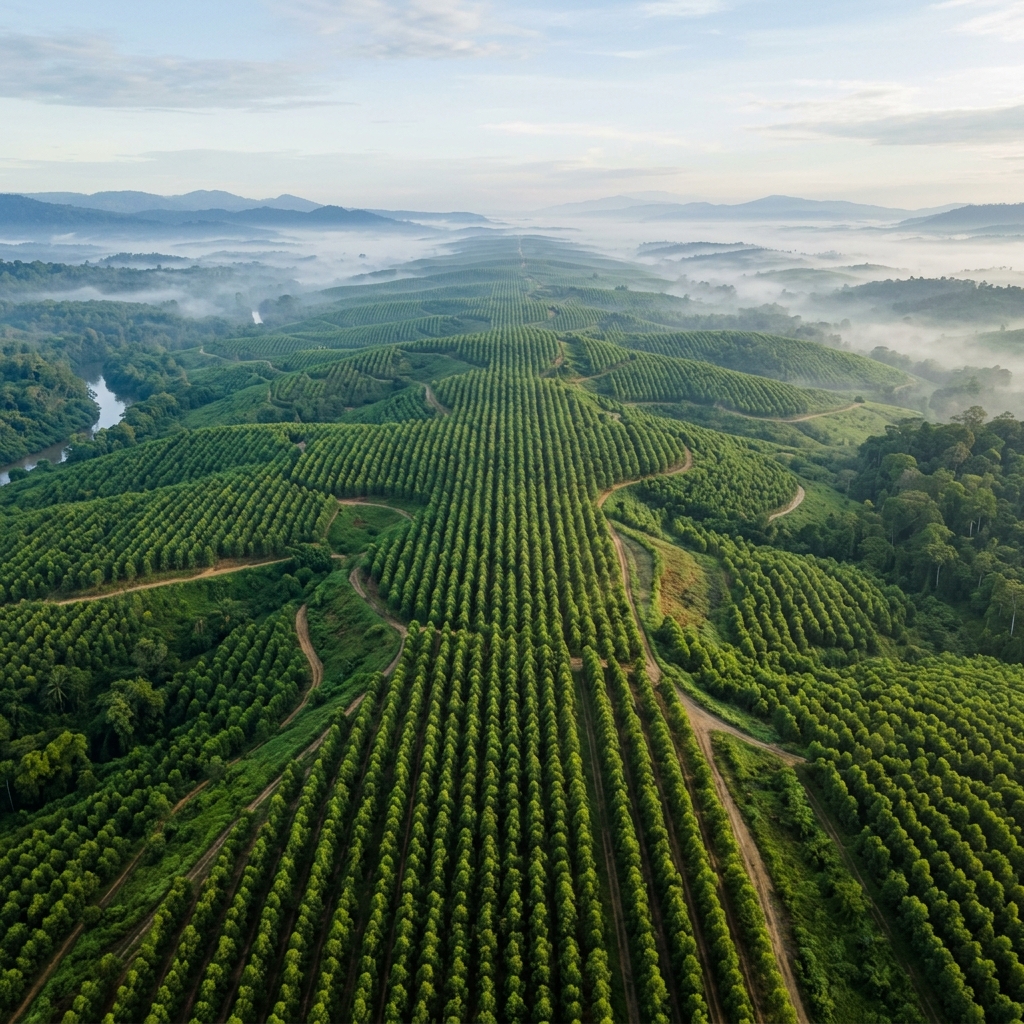
The primary advantage of Indonesia lies in its tropical climate. Unlike northern hemisphere producers in North America or Russia, where trees face a dormant winter season, Indonesian plantations grow year-round. Acacia mangium and Eucalyptus varieties reach harvest maturity in just 5 to 7 years in Indonesia, compared to 25 to 40 years for pine and spruce in temperate climates. This rapid turnaround allows Indonesian operators to yield up to five times more wood biomass per hectare annually.
Maritime Proximity to Key Ports
Shipping logistics are a major factor in biomass economics. Indonesia's extensive coastline and established deep-water ports (such as Panjang in Lampung) offer direct maritime routes to East Asian ports. A bulk vessel from Sumatra or Kalimantan can reach Japan or South Korea in 8 to 10 days, compared to a 25-day voyage from the US Gulf Coast or Canada. This significantly reduces shipping freight costs and carbon emissions associated with transit.
Developing Industrial Forestry Infrastructure
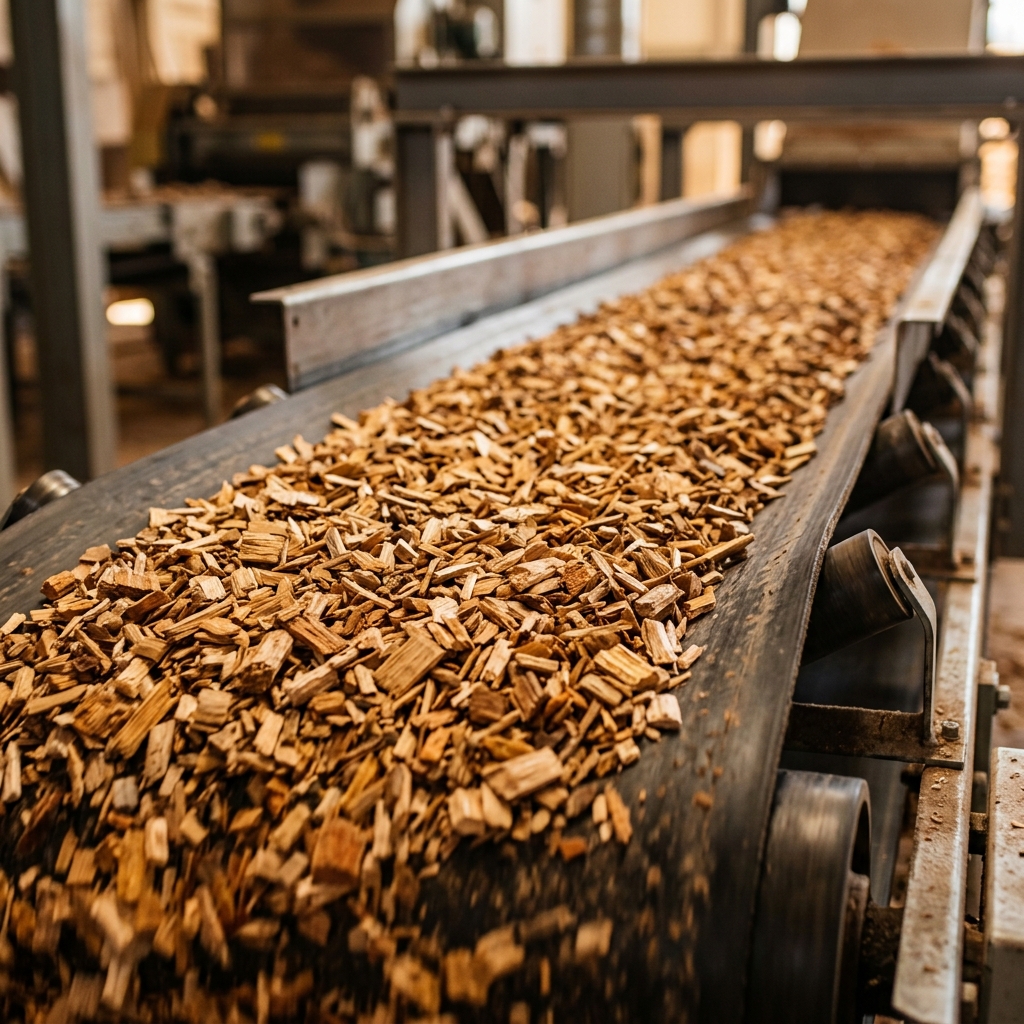
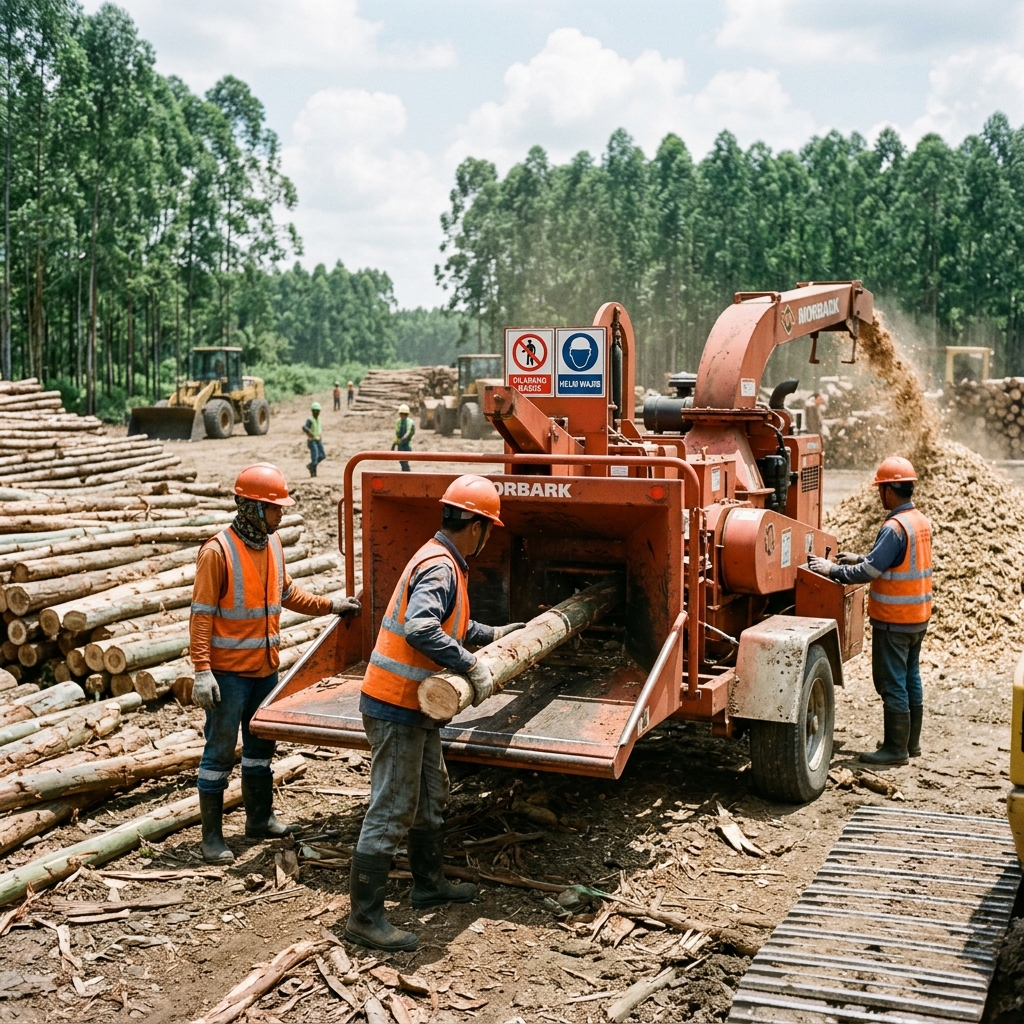
PT. Hasian Bersama Sejahtera is capitalizing on this logistics advantage by positioning our processing yards near strategic shipping terminals in Sumatra and Java. Equipped with high-throughput industrial wood chippers, our facilities are capable of preparing bulk carriers for direct loading, bypassing complex inland transport. As East Asian demand is projected to double by 2030, our partnerships with regional logistics leaders ensure that we can meet bulk supply contracts reliably and efficiently.