Field Notes: Low-Impact Harvesting in 5-Year Eucalyptus Rotation
In industrial forestry, the method of harvest is just as important as the speed of growth. Traditional clear-felling with heavy machinery often leads to soil compaction, erosion, and nutrient depletion, which limits the productivity of subsequent plantings. In this field note, we share the operational findings and soil-health metrics from our Kalimantan sentinel estate, where we have implemented low-impact harvesting techniques over three full rotation cycles.
Soil Compaction: The Silent Yield Killer
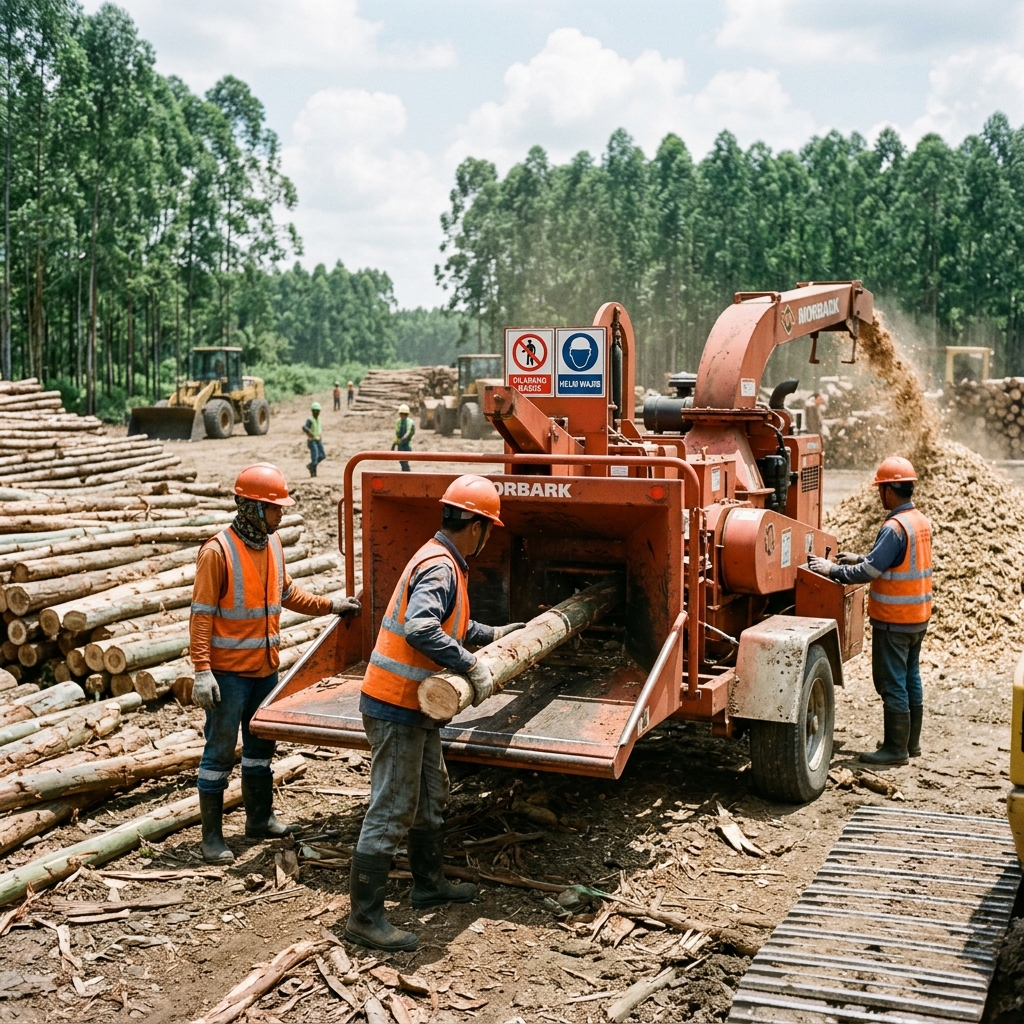
When heavy forwarders and harvesters repeatedly traverse a cut-block, they compress the soil, reducing macropore space. This prevents root penetration and restricts oxygen and water movement in the rhizosphere. To combat this, our teams implement restricted machine corridors. Machinery is confined to designated permanent tracks spaced 20 meters apart, and reach-harvesters are used to cut and retrieve trees from within the rows. Soil bulk density tests indicate that this technique keeps compaction limited to less than 8% of the total block area, compared to 35% under standard logging practices.
Harvest Residue Management
Rather than burning or removing branches, leaves, and bark, our low-impact model leaves harvest residues on the forest floor. This debris forms a natural mulch layer that achieves three goals:
- Moisture retention: Prevents soil drying under the intense equatorial sun, keeping soil microflora active.
- Nutrient recycling: As foliage decays, it releases nitrogen, phosphorus, and potassium back into the topsoil, reducing chemical fertilizer needs by 40% in the next cycle.
- Erosion control: Buffers the soil against tropical heavy rains, preventing the runoff of organic matter.
Yield and Productivity Outcomes
The results speak for themselves. Block measurements at the end of the third 5-year rotation cycle showed a 14% increase in total merchantable volume compared to control blocks harvested using traditional methods. The trees exhibited more uniform diameter breast height (DBH) and lower mortality rates. Investing in low-impact forestry is not just an environmental choice — it is a proven driver of long-term plantation yields.