Wood Chips: An Eco-Friendly Solution for Sustainable Energy Needs
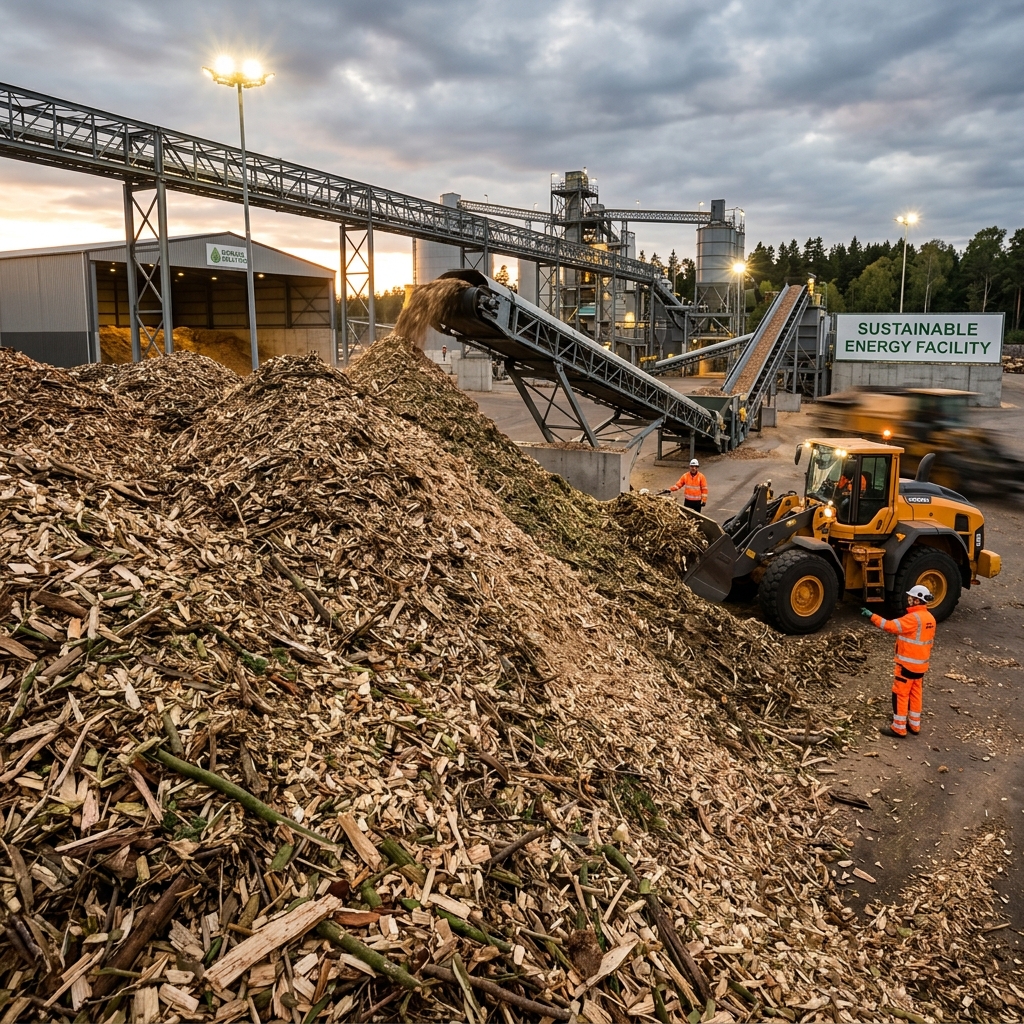
The global energy transition is no longer a future projection — it is an active reality. Utilities are searching for scalable, reliable, and cost-effective renewable alternatives to coal and natural gas. While solar and wind are growing, they suffer from intermittency issues. Biomass wood chips offer a constant baseload power source that fits within existing thermal power plant structures, making it one of the most practical eco-friendly energy solutions available today.
The Carbon Balance: Fossil vs. Biogenic Carbon
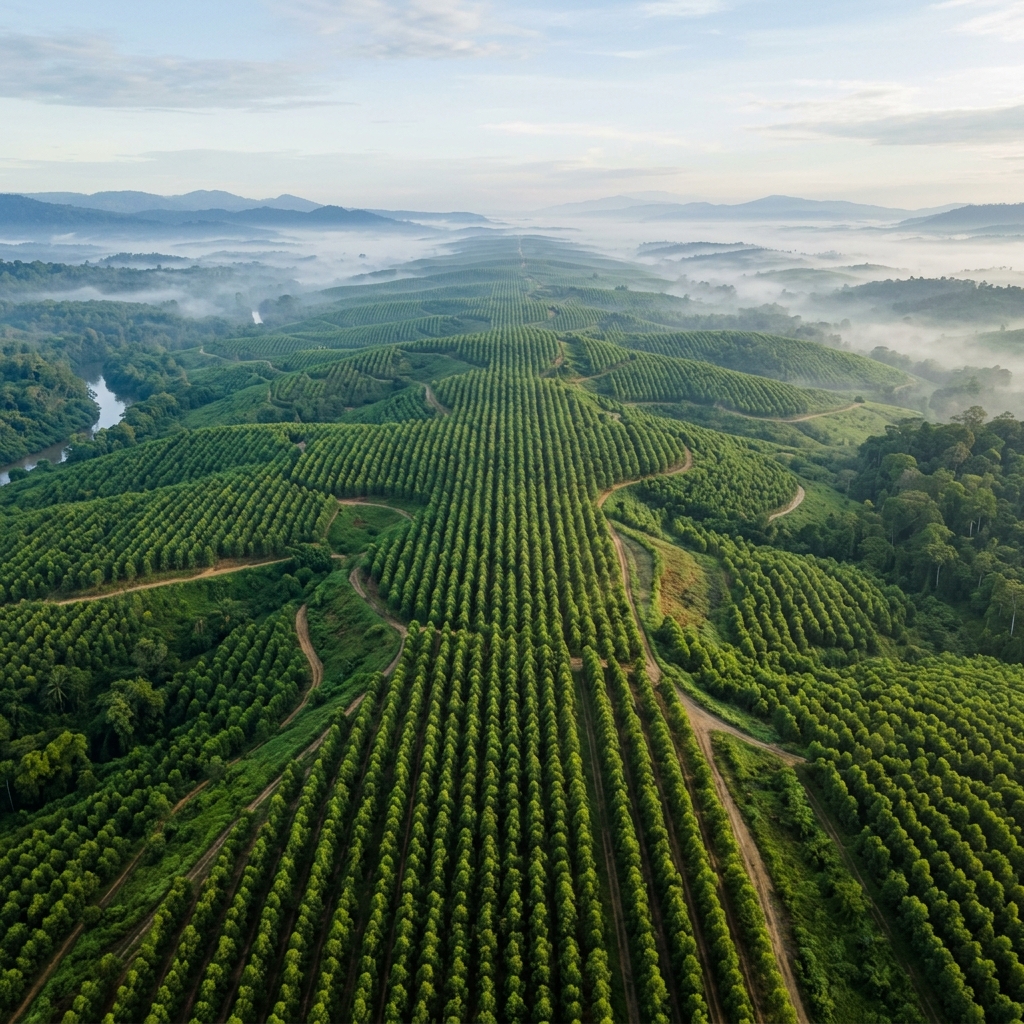
The core scientific rationale behind wood chip biomass is the difference between fossil carbon and biogenic carbon. Burning coal releases carbon that has been locked underground for millions of years, permanently increasing the atmospheric carbon pool. Burning wood chips, however, releases biogenic carbon that was absorbed by the tree during its growth cycle. As long as the forest is replanted (which we enforce at a 4:1 ratio), the carbon is re-absorbed in a continuous loop, achieving net-zero carbon balance.
Emissions Comparison: Coal vs. Wood Biomass
In addition to carbon benefits, modern biomass boilers equipped with electrostatic precipitators and scrubbers yield significantly cleaner emissions profiles compared to coal:
- Sulfur Dioxide (SO₂): Wood chips contain virtually zero sulfur, reducing acid rain emissions by over 95%.
- Nitrogen Oxides (NOx): Controlled combustion temperatures in biomass boilers reduce NOx formation.
- Heavy Metals: Wood biomass does not contain heavy metals like mercury and arsenic commonly found in coal ash.
Economic Viability and Future Outlook
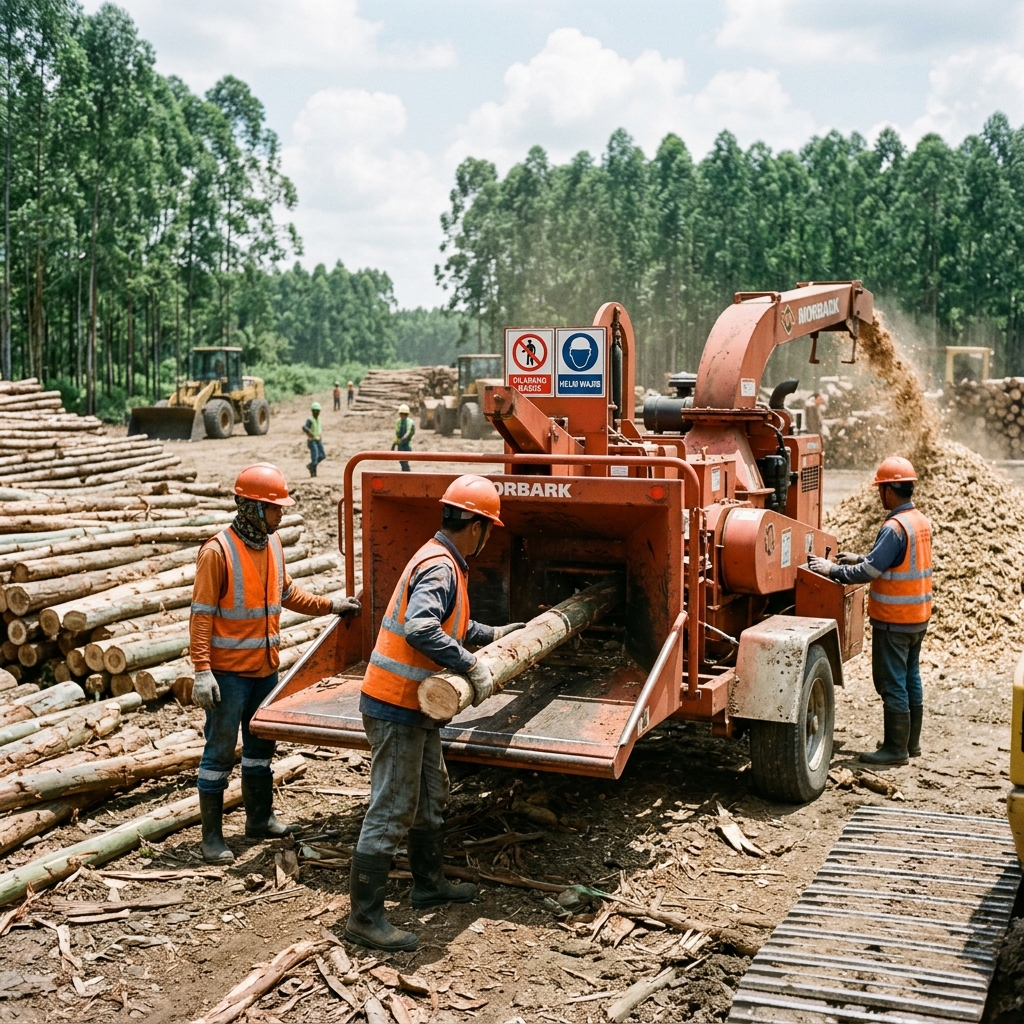
Sourcing biomass wood chips is economically competitive, especially when factoring in carbon taxes and renewable energy certificates (RECs) in markets like Japan, South Korea, and Europe. PT. Hasian Bersama Sejahtera provides certified wood chips from fast-rotation tropical plantations, ensuring consistent energy density and moisture parameters. By bridging the gap between ecological responsibility and industrial economic reality, we help power companies achieve their green transition goals safely and reliably.